
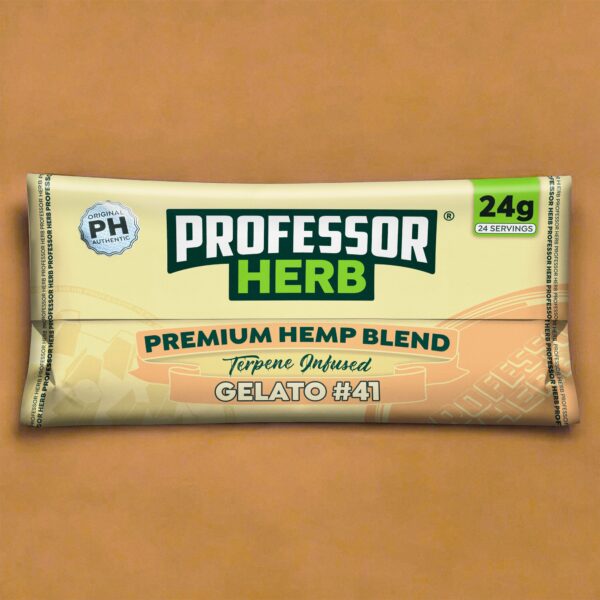
![Professor Herb Premium Hemp Blend (24g) - Citrus Cookies [LIMITED EDITION]](https://professorherb.co.uk/wp-content/uploads/2026/08/0005__1-18-600x600.jpg)
![Professor Herb Premium Hemp Blend (24g) - Citrus Cookies [LIMITED EDITION] (3 Pack)](https://professorherb.co.uk/wp-content/uploads/2026/08/0003__1-51-600x600.jpg)
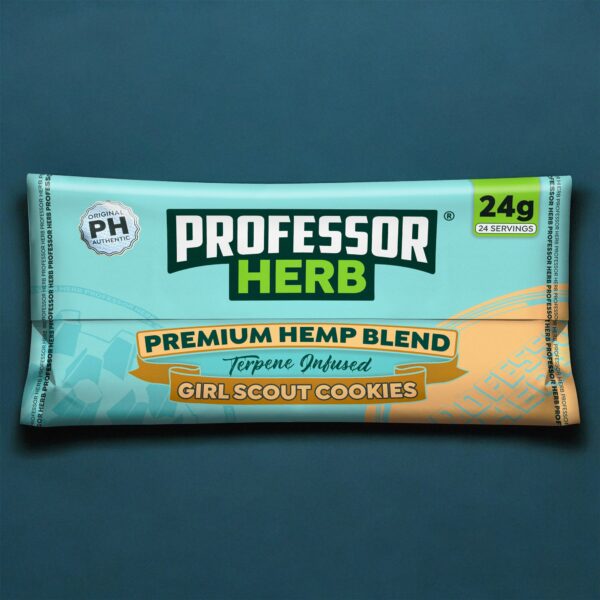
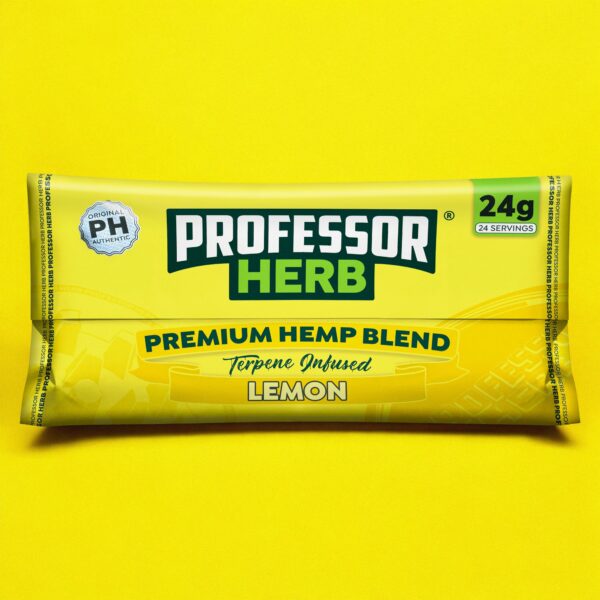
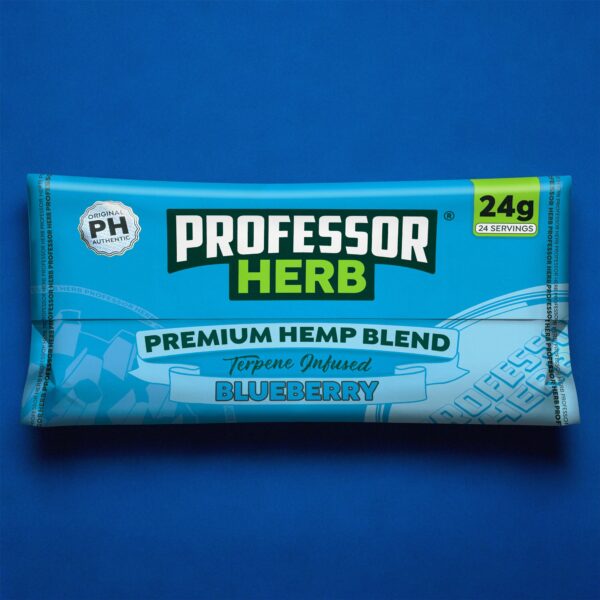
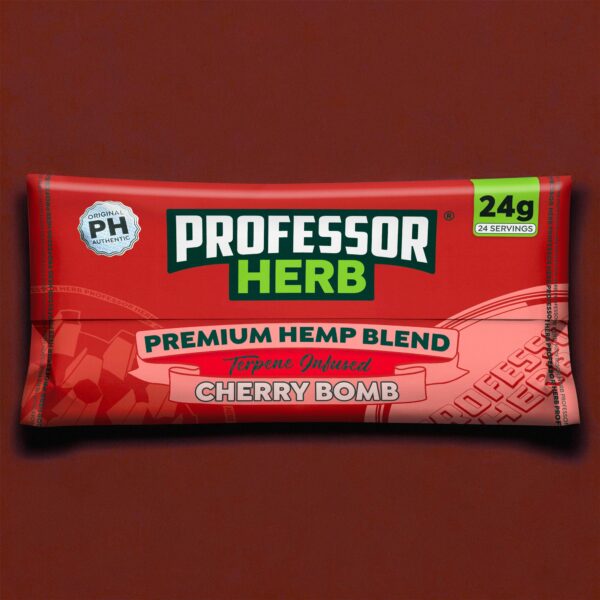
People search “is CBD legal in the UK” because the answer is not a simple yes or no. Isolated cannabidiol is not a controlled drug. A finished product can still be controlled if it contains other cannabinoids, such as THC. This is a plain-language look at the Home Office rules. It is not legal advice.
What the Home Office says about CBD itself
The Home Office drug licensing factsheet on cannabis, CBD and other cannabinoids, updated on 3 October 2024, states: “CBD as an isolated substance, in its pure form, is not controlled under the MDA 1971.” The same note says cannabis itself is a Class B drug, and that cannabinoids such as THC and cannabinol are controlled too.
The practical point is in the next sentences. The Home Office view is that it is nearly impossible to separate CBD from the plant without traces of controlled cannabinoids. So a bottle, pouch or flower product is judged on what is actually in it, not on the letters CBD on the label.
The exempt product rule
A product that contains a controlled drug can still sit outside the main possession and supply offences if it meets the “exempt product” definition in Regulation 2 of the Misuse of Drugs Regulations 2001. All three parts have to be true:
- It is not designed for administration of the controlled drug to a person or animal.
- The controlled drug cannot be recovered by readily applicable means, or in a yield which constitutes a risk to health.
- No one component part contains more than one milligram of the controlled drug.
On that third test, the Home Office is specific. The 1mg figure applies to the container, such as a bottle of oil, not to a supposed typical dose. The factsheet also says producers should be able to show compliant levels of delta-9-THC, delta-8-THC and cannabinol, using a laboratory accredited to ISO/IEC 17025.
The Home Office does not check shop products for you. Its licensing unit says it will not tell a retailer whether a given item meets the exempt product definition. Anyone handling these products is expected to take their own advice and do appropriate testing.
Flower, oils and vapes are not the same question
Cannabis, as defined in the Misuse of Drugs Act 1971, is the plant or any part of it, with limited exceptions such as mature stalk, fibre from that stalk, and seed. Cultivating the plant without a Home Office licence is unlawful. A CBD flower listing is therefore a different legal question from a bottle of CBD oil.
CBD oil you swallow sits under food law as well as drugs law. The Food Standards Agency treats CBD as a novel food and publishes its own list of products linked to applications that are still moving through that process. A product can fail food rules even when someone argues it meets the drugs exemption, and the other way around.
Rules abroad do not copy the UK. The Home Office says other countries’ regimes do not override UK law. Taking a CBD product through an airport is a separate check: airline and destination rules can be stricter than the rules at home.
What to look for before you buy
Read the pack, not the slogan. Useful signs are a recent lab report from an accredited lab, a clear statement of what was measured, and a batch that matches the jar in your hand. “THC free” on its own is not the legal test. The exempt product rule is about the amount of each controlled cannabinoid in the container, and about how the product is designed and sold.
None of this is a claim that a particular product will pass. If you are unsure, ask the seller for the certificate of analysis for that batch, and take independent advice if you need it.
Shop the Professor Herb range
If you want to see what we stock, start with the CBD range, then compare CBD oils and CBD hash. Check the product page and any lab information we publish before you add it to your basket.
Sources: Home Office, Drug licensing factsheet: cannabis, CBD and other cannabinoids (updated 3 October 2024); Food Standards Agency, Cannabidiol (CBD).